
Neurodivergence, Addiction, and Recovery: Living with Late-Diagnosed Autism and ADHD
Discover the intersection of neurodivergence and mental health.
Ste Walton shares his journey of self-medicating undiagnosed Autism and ADHD, hitting rock bottom, and how a late-in-life diagnosis and landscape photography became the foundation of his addiction recovery.
For most of my life, long before knowing I was navigating undiagnosed neurodivergence—specifically autism and ADHD—a quiet sense of misalignment followed me — nothing dramatic or easily named, just a persistent feeling of being out of sync with the world around me.
Ordinary things carried more weight than they seemed to for other people: a tightness across the chest arriving without warning, sensory overload pressing in too close, or a constant low hum of alertness — the sense that even small decisions required endless internal negotiation.
Sounds pressed in too close, social expectations lingered too long, and thoughts rarely moved in straight lines. Functioning inside that state became a skill: keep going, stay present, and carry the overwhelm privately. Depression, anxiety, restlessness, and long stretches of numbness arrived not as acute crises, but as background conditions of navigating adult life without answers.
Early Misalignment & Undiagnosed ADHD
For a long time, effort seemed like the answer. Applied properly — to work, hobbies, creativity — patience and focus would follow, but they never did. The tighter I tried to grip them, the further away they slipped, until effort itself felt like another form of pressure.
Early on, masking and disappearing in plain sight became second nature — eyes down, hands busy, waiting for moments to pass without drawing attention. Confidence appeared only on my bike. There, things simplified; speed narrowed attention, and balance replaced hesitation.
Risks came easily, and consequences followed: cuts, bruises, and broken bones. My dad grew used to fixing bent frames or driving me to the hospital. My mum — frustrated, helpless, half-joking — would smack the floor as if it were responsible.
School and Attention
Sustained attention was something school demanded, and with undiagnosed neurodivergence, I struggled to supply it. Reading and writing faltered. Maths made sense until it didn’t: numbers behaved predictably, then suddenly letters appeared in their place, and the familiar rules dissolved.
An equation that had once resolved neatly now asked me to rearrange symbols whose purpose felt arbitrary. I remember staring at the page, aware of time passing, unable to locate the step everyone else seemed to take instinctively.
The same applied in every lesson apart from PE. PE gave me a sense of freedom, while noisy, unpredictable classrooms amplified everything, and the teachers felt larger than the lessons they taught.
My day began at twenty past three, when it was time to go home. Outside, things eased. Space helped. The reason didn’t matter — only the relief did.
Self-Medication, Escape, and the Cycle of Addiction
In my late teens, that need for relief found another outlet: alcohol and drugs. Trying to self-medicate the constant anxiety, restlessness, and sensory overwhelm of an undiagnosed mind, substances softened the edges and narrowed the world quickly, reducing it to something manageable. For a time, they offered confidence — not because they changed who I was, but because they dulled the constant self-monitoring.
Crowds felt intolerable then, and they still do. Even at my most social, open ground and quiet air held more appeal than noise and proximity. Alcohol and drugs offered a shortcut — a compressed version of calm — but they demanded repetition in return.
In my early twenties, I tried to stop, though the taste still lingered on my tongue. Once the chemical buffers disappeared, anxiety closed in as physical pressure, and depression widened into something bottomless.
Self-harm regulated emotions that felt too large to contain. Nothing about it felt dramatic; it felt practical. Some cuts ran deep enough to need stitches and left visible scars. Each was an attempt to make internal pain visible and measurable.
Treatment, Concealment, and Overdose
At twenty-five, psychiatric appointments began, and medication followed. On the surface, engagement appeared genuine; underneath, concealment sharpened. I learned how to say the right things, how to sit still, how to describe improvement while quietly discarding tablets at home.
In reality, I wasn’t ready to help myself, and what returned instead were familiar coping mechanisms. Cocaine and vodka — cold and harsh — slipped back into their usual places.
At twenty-eight, an overdose should have ended my life. It didn’t. Recovery from the overdose came; true understanding did not. Through my twenties and thirties, therapists, appointments, and attempts at change accumulated, but readiness never quite arrived. Discomfort remained something to escape rather than stay with.
Interruption
In 2020, at age forty, I stood on the train tracks and waited. The will to continue living had drained away once again.
Time didn’t move forward — it spread out. Thought gave way to sensation: cold air, stone underfoot, and the absence of the sound I was braced for. Long enough passed for expectation to thin into something quieter.
No trains came.
Climbing back over the fence, I walked past the platform. Both digital notice boards displayed the same message: Train delayed. No sign revealed itself. No sense of being saved arrived. Still, something loosened.
That moment stayed — not as an answer, but as an interruption — that was my turning point.
Recovery unfolded unevenly after that. By 2025, five years had passed without my two most destructive demons, cocaine and vodka. Depression and anxiety remained; medication continued; tough days still arrived. The difference now was recognition rather than collapse.
Embracing Neurodivergence: Late Diagnosis and Recognition
In 2023, an adult autism diagnosis arrived. An ADHD diagnosis followed in mid-2025, alongside an A-Level in understanding mental health. For someone whose education had been defined by incomprehension, that recognition carried a quiet weight of its own.
Long before either late diagnosis, the experiences were already familiar: days when hyperfocus settled so completely that hours slipped by unnoticed, and others when noise, movement, and demand piled up into autistic burnout, where even small decisions felt impossibly heavy.
"The diagnosis didn’t change who I was.
It clarified the uneven terrain I’d been navigating for years, making the path ahead easier to read. "
Attention, Landscape Photography, and Healing
I now spend more time outdoors. A camera often comes with me, sometimes in hand, sometimes fixed on a tripod while I wait.
Photography fixed nothing. Calm didn’t arrive all at once, and some answers remain elusive. What it does offer is somewhere steady for attention to rest — a form of therapeutic grounding in nature.
Framing an image narrows the world without numbing it. Waiting for the right moment to press the shutter revealed a patience I hadn’t known existed. Often, the work amounted to remaining present long enough for something subtle to emerge.
Writing followed a similar course. What once felt inaccessible became a way of organising neurodivergent experience — not explaining it away, but holding it long enough to understand.
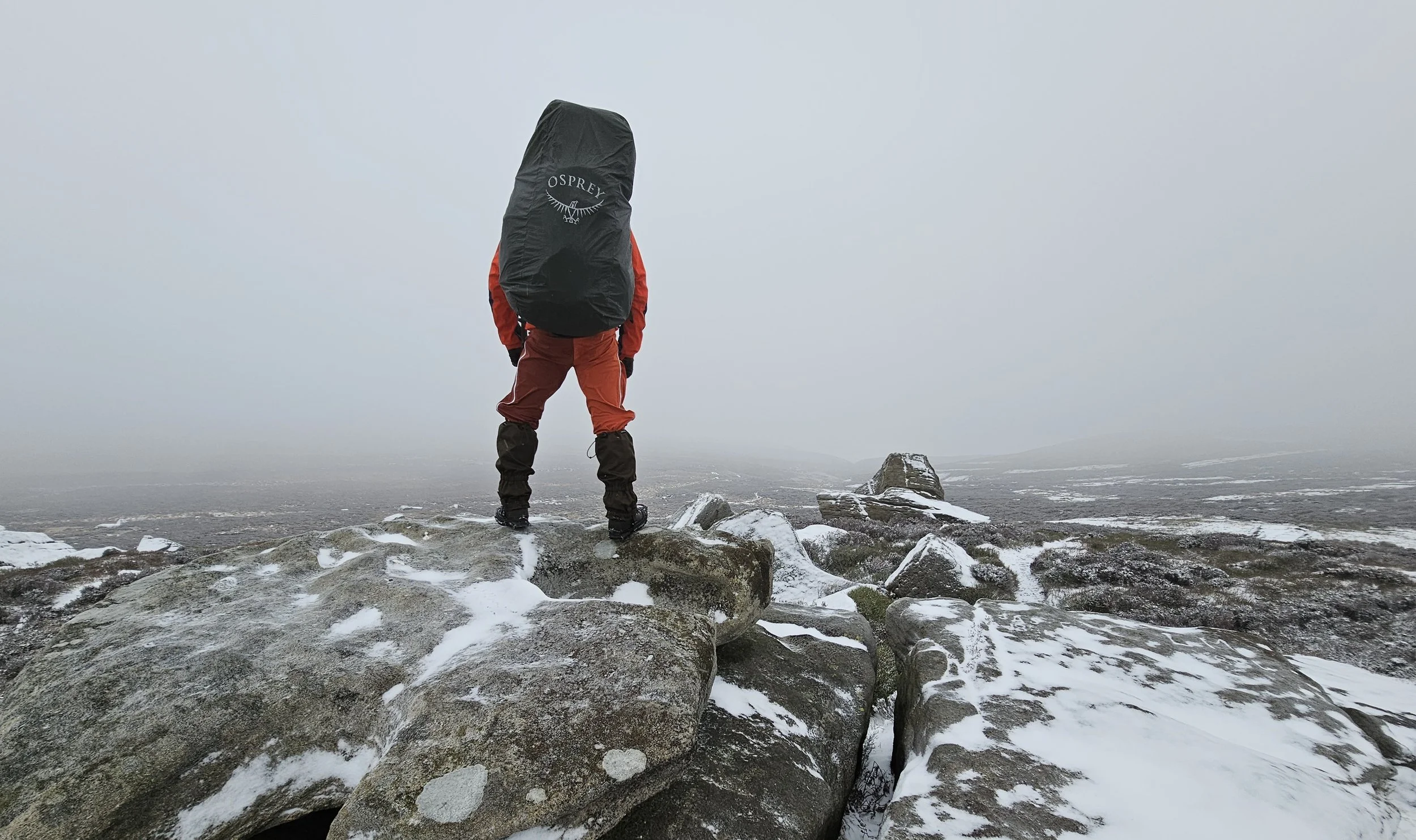
Without conscious effort, open spaces settled my nervous system. Walking the high ground of Scout Moor, watching mist roll over Scout Moor High Level Reservoir, or standing in the stillness of West Yorkshires Moorland, the land asked nothing, demanded nothing, and offered no reward for haste. The pace slowed, and proof became unnecessary.
Staying in Recovery
Confidence no longer comes from the deceptive rush of substances. It grows through repetition and return — walking the same ground, breathing familiar air, showing up without expectation.
Some places ask nothing of us, and some days do the same. I'm still learning to remain present in those moments—in landscapes, in my addiction recovery journey, and in my neurodivergent mind—long enough for something quieter to take shape.
"Healing isn’t a single decision, or a finished state.
It’s a willingness to stay when nothing obvious is happening. "