
Stories from the Landscape: UK Landscape Photography & Poetry
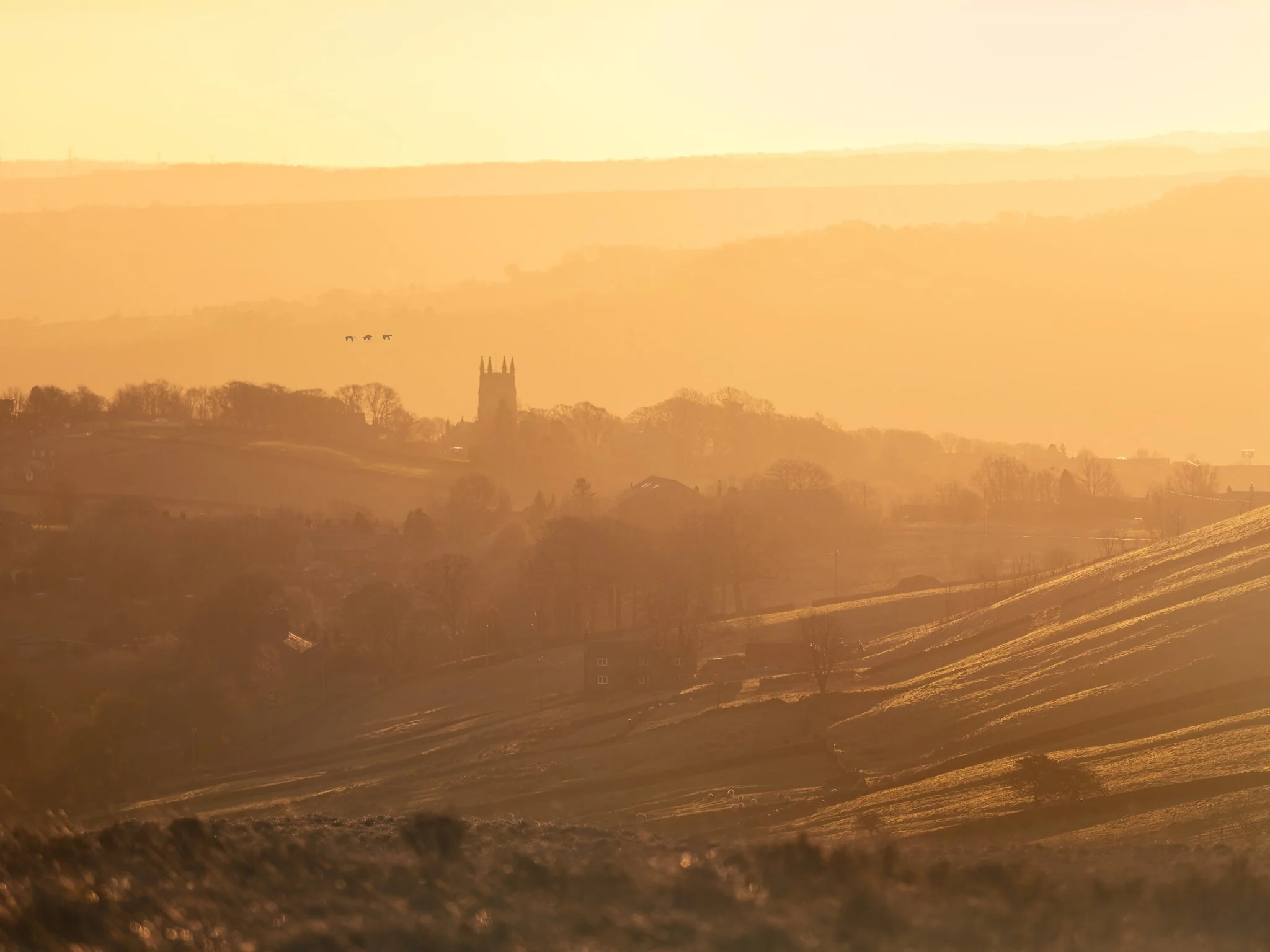
Welcome to Stories from the Landscape — a collection of atmospheric UK landscape photography stories, personal essays, and nature poetry by landscape photographer Ste Walton.
View selected images in my landscape gallery.
Evocative Fine Art Photography, Poetry & Reflections
From the windswept heights of Scout Moor and the South Pennines, to quiet woodland encounters across the UK countryside.
Each piece weaves visual storytelling with creative writing.
Here, photography and poetry intersect to explore nature, stillness, recovery, and memory.
Learn more about my personal story and creative journey.
Interested in exploring the relationship between photography, mental health, neurodivergence and creativity? Visit my Photography, Mind & Wellbeing collection for personal reflections on life behind the camera and the role photography plays in my own journey.
““The silence of a photograph lingers within the frame, where light and memory learn each other’s name.””

Fuck the Trail: An AuDHD Poem About Landscape Photography
Living with late-diagnosed autism and ADHD is a constant tug-of-war between rigid structure and chaotic discovery. 'Fuck the Trail' is an original piece of AuDHD poetry about what happens when the neurodivergent mind meets the wild moorlands.

Parallel Dream: Marsh Orchid Macro Photography
Deep in a UK wetland, flat on my face among six-foot reeds, I captured "Parallel Dream"—a delicate wild marsh orchid glowing in morning light. Here is the photo, field notes, and the hilarious story of startling a passing dog walker along the way!

Where Forget-Me-Nots Grow
Explore 'Where Forget-Me-Nots Grow'—an intimate macro flower photography story and original poem on the banks of the River Roch. A quiet reflection on memory loss, grief, and enduring love.

Still Frames of Time: Mindful Landscape Photography on Scout Moor
Explore how mindful landscape photography on Scout Moor offers space for AuDHD focus, sensory regulation, and recovery from burnout. A reflective photo essay and poem by Ste Walton on slow photography in the Southern Pennines.

South Pennines Landscape Photography: The Calm That Moment Made
A winter cloud inversion over Turn Village in the South Pennines. Atmospheric landscape photography and poetry capturing a moment of quiet stillness above the icy moorlands.

Scout Moor Landscape Photography & Poem: When the Rain Returned
A moody visual story and original poem exploring Scout Moor as rain breaks a summer drought across the Lancashire moorlands. Capturing atmospheric light, Cowpe Lowe, and the raw beauty of the South Pennines.

Frostbite & Other Victorian Values: Peel Tower Landscape Photography
A -8°C dawn above the clouds on Holcombe Hill. Discover Peel Tower standing above a South Pennines cloud inversion, accompanied by original poetry reflecting on history, cold, and human pride.

What’s That Coming Over The Hill: A Marsden Moor Wild Camping Poem
Pitching a tent on Marsden Moor during a New Year's Eve storm brings profound solitude. Read my reflective narrative poem exploring nature's fierce power, memory, and the beauty of a Standedge sunrise.

The Royal Ascot Mushroom: A Woodland Photography Poem
Step into nature's haute couture. "The Royal Ascot Mushroom" pairs fine art woodland photography with a whimsical poem celebrating the elegant, hat-like forms found hidden on the forest floor.

The Woodland Lantern: A Glowing Woodland Mushroom Story
Discover 'The Woodland Lantern' — a captivating macro photograph of a glowing woodland mushroom beneath an ancient hawthorn tree, accompanied by an original lyrical poem on quiet forest light and nature's quiet resilience.

Normal, My Arse
Normal, My Arse" is a rebellious, satirical poem celebrating non-conformity, individuality, and the hilarious truth that nobody is truly average. Paired with macro photography by Ste Walton.

Perfectly Imperfect: A Pendle Hill Landscape Story
A landscape photography story and original poem written at Cragg Quarry, looking toward Pendle Hill. Explore the wabi-sabi beauty of raw textures, weathered stone, and natural flaws in fine art UK landscape photography by Ste Walton.
Story Inquiries
Enjoyed these stories from the UK landscape?
feel free to get in touch with Ste Walton.
contact